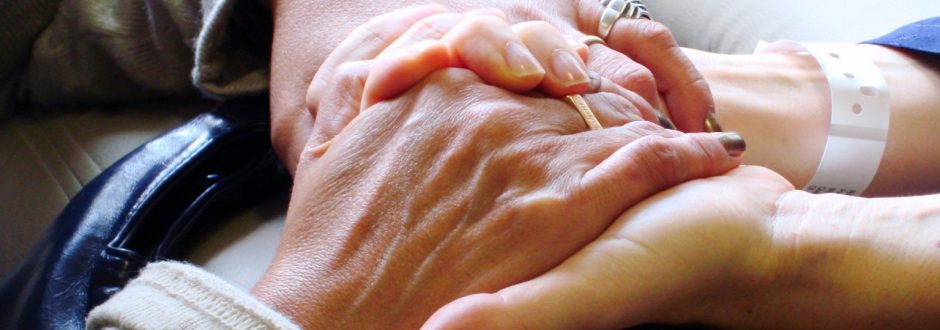
A question that I grapple with when contemplating the practice of my faith is how can my own actions be enough to make a difference in a world so saturated with hopelessness, fear and anguish?
By Susan Booker
I am a mother of two, work full-time and live with a chronic illness. The nature of my illness is such that I am often overwhelmed with pain and fatigue, so making commitments can present a challenge.
The obstacles that I encounter do not make me different or special – 15.4 million people in Australia are living with a chronic condition. Many people have additional caring responsibilities and still manage to contribute to the wider community.
The pressure to do more, and to be more, is not so much an external force, but from my own need to use my privilege to be a pilgrim of hope – to serve as a source of light to support others.
While Isaiah 40:31 indicates that “those who hope in the Lord will renew their strength. They will soar on wings like eagles; they will run and not grow weary, they will walk and not be faint” it seems that there is an insurmountable chasm between what I can offer, and what represents a meaningful contribution to society.
I often reflect on the legacy from own family, putting their faith into practice in their daily lives. During their retirement, my grandparents volunteered at an aged care centre. They were older than many of the participants who attended yet they recognised the value that everyday connections can make.
My mum teaches English to refugees, offering her students a chance to develop networks within their environment, reducing their isolation and helping them to establish their own place within their newfound community. On hot days, my son will often distribute bottles of cold water to people living on the streets.
In all these examples, the key element is forging relationships, however brief, igniting that spark between people. Despite finding inspiration in such strong role models, I struggle to establish my path in contributing to my community; finding the time and energy to follow Pope Leo XIV’s direction to “build bridges where there are walls” is daunting.
Australia ranks at No. 11 in one study of quality of life across the globe; we are fortunate to have good health provision and government support systems and yet the majority of working Australians are very time poor, juggling long hours with caring responsibilities perhaps for children or elderly parents.
For some people, the rising cost of living means that they must take on second jobs just to cover the cost of food and rent. Is it a realistic expectation that people can be pilgrims of hope when they are barely keeping their own families afloat?
While I may question the adequacy of my own contributions, it is easier for me to see it in others. In the face of adversity, the act of caring can provide a glimmer of hope – in this age of technology, a text can represent a meaningful exchange. The concept of R U OK? is a surprisingly simple yet empowering concept, forging connections and changing lives.
Paul’s letter to the Thessalonians (5:11) resonates, “encourage one another and build each other up, just as in fact you are doing” fostering profound and lasting relationships.
The parable of the Good Samaritan is well known for its message of compassion and the importance of showing kindness to our fellow humans, regardless of their background.
This message is particularly significant given the atrocities occurring across the globe. The relentless coverage of horrific events can cause media overload, impacting mental health. This phenomenon was particularly prevalent during the early months of the COVID-19 pandemic when there was little else to do but scroll the internet.
The concept of ‘doomscrolling’ is the antithesis of finding hope in our interactions. With access to news 24/7, most of it of a traumatic nature, it is difficult to find that glimmer of hope in our everyday lives. It all feels quite overwhelming.
In these challenging times it is hard to see how we may contribute to our community and act as pilgrims of hope. From my own perspective it is also winning the battle with my own feelings of inadequacy, and that in the small intentional acts of practising my faith I can create a glimmer of hope.
My path will not mirror the journey of dedicated volunteers who devote their lives to helping others, it will likely be modest gestures of service. In trying to continue my family’s legacy, I must remind myself of the passage in the letter from Paul (2 Corinthians 12:9): “But he said to me, ‘My grace is sufficient for you, for power is made perfect in weakness.’”
I am enough and whatever I can contribute is plenty. I may not be able to change the world, but I can make a difference.
